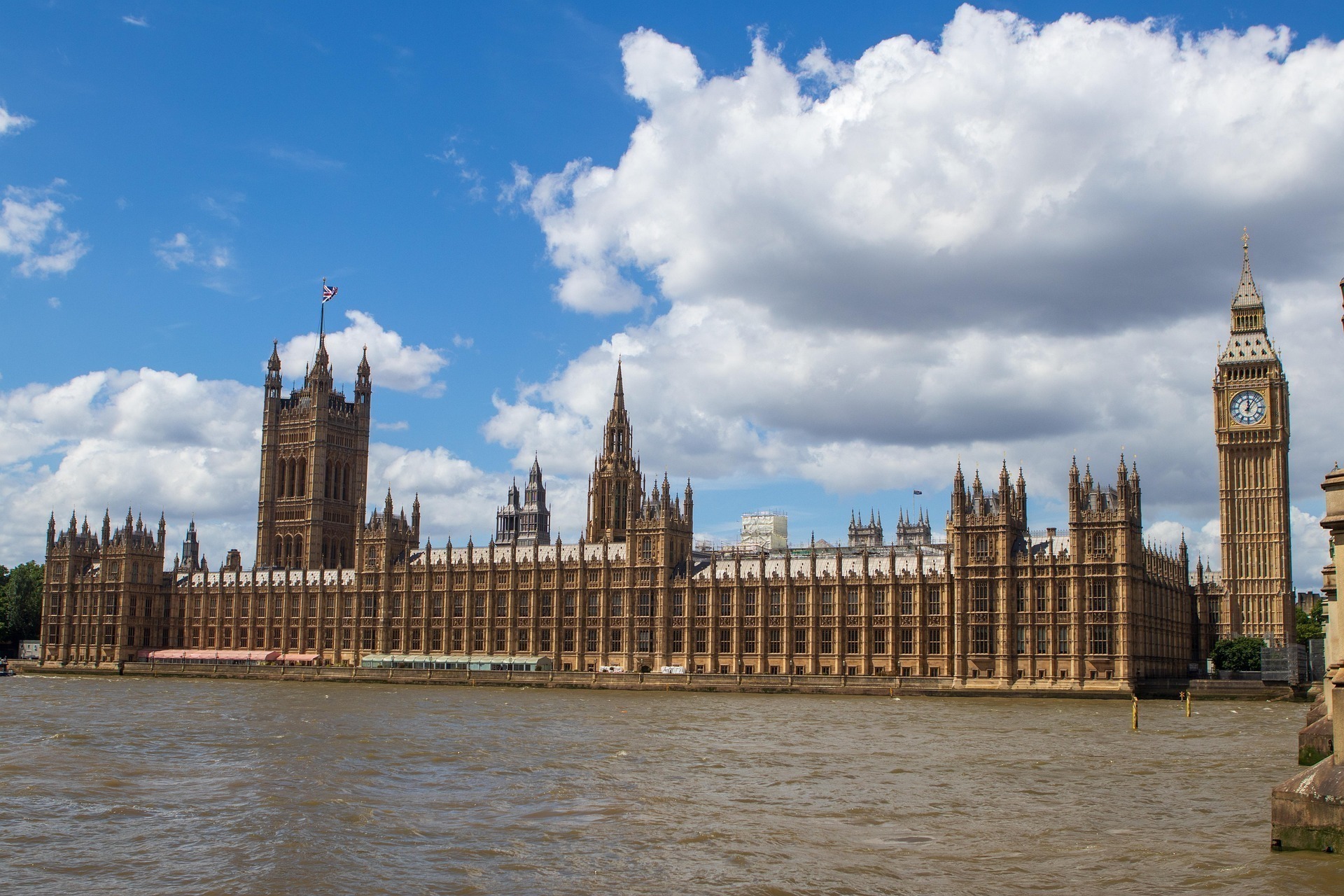
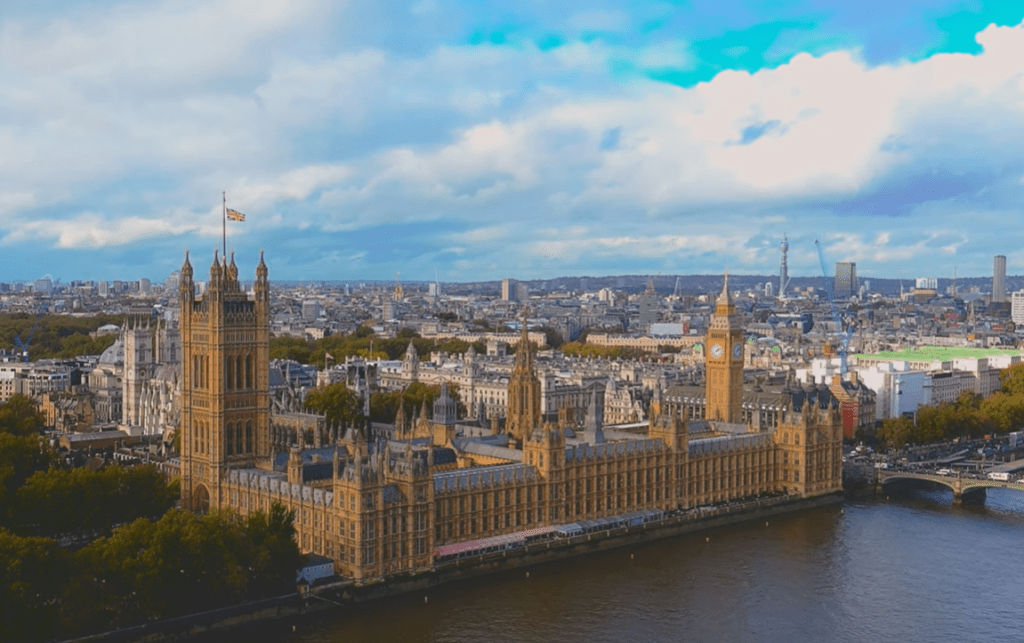
London is home to some of the world’s most iconic landmarks, Big Ben and the Houses of Parliament, few places hold their equal power. Standing proudly on the banks of the River Thames, the historic complex is not only a top tourist attraction in London but also the heart of the British government and the UK’s democratic system.
If you’re visiting London for the first time, Big Ben and the Houses of Parliament are a must-see, symbols of British heritage, governance, and architecture.
The history of Big Ben and Parliament
The Palace of Westminster has been the royal residence of London for 500 years. It has been in the same location since the reign of the Danish king Cnut the Great, who ascended the throne in 1016. After the Norman Conquest in 1066, the Royal Council began to be organized in the Palace of Westminster. The first elected English government took over in 1265.
In 1512, during the reign of Henry VIII, much of the original Palace of Westminster burned down. The Palace burned down again in 1834. A year later, plans were made to build Big Ben and the Houses of Parliament that you see today. Big Ben rang for the first time on 31 May 1859. It has been rung every hour since then – also for special occasions and ceremonial purposes.
The Palace of Westminster was built in 1097, when it was initially built by King William II, although stories are circulating that the ruins of a Roman temple still lie beneath the palace’s foundations. Known for centuries as Britain’s oldest formal hall, the current Gothic structure, located on the banks of the River Thames, was rebuilt in 1854, and today, the vast space serves as the meeting place for the two houses of Parliament and is the center of the British government.
A misconception about Big Ben
Big Ben refers to the clock tower itself, but technically, Big Ben is the name of the Great Bell located inside the tower. The tower’s official name is Elizabeth Tower, which was renamed in 2012 to mark the Diamond Jubilee of Queen Elizabeth II.
Key Facts About Big Ben:
- Completed in 1859
- The Great Bell weighs over 13 tons
- Famous for its deep, resonant chime
- One of the most accurate and recognizable clocks in the world
Big Ben’s clock face has become a global symbol of London and is frequently used in film, television and international broadcasts.
Main Features
The early Gothic structure of the Palace of Westminster houses the Houses of Parliament, which consist of over 1,100 rooms, 11 courtyards and over 100 staircases.
In addition to the main palace, the Houses of Parliament contain a number of historic elements and features, including the Jewel Tower, built by Edward III in 1366, and Westminster Hall, a key feature of the original construction in 1097.
Big Ben Tower, officially renamed Elizabeth Tower in 2012, houses a bell measuring 8′ 8″ in diameter, 7′ 2″ tall and weighing 13.7 tons. The clock weighs approximately 5 tons, with its arms measuring 9′ feet and 14′ feet long respectively. Standing 315 feet high above the central London landscape, Big Ben is still known as one of the most robust and reliable clocks in the world.
British democracy
Its bells have marked historical moments such as:
- Royal celebrations and funerals
- The end of World War II
- New Year’s Eve across the UK
When people around the world hear the chimes of Big Ben, they often associate it with British heritage and governance.
Opening Day & Time
Visitors can tour the interior of the Parliament Buildings year-round (except holidays) on a guided or audio tour. Guided tours in English begin every 15–20 minutes from 9 a.m. to 4:15 p.m. Guided tours in other languages, including Spanish, French, Italian, and German, are also offered at scheduled times daily, and each tour lasts approximately 75 minutes.