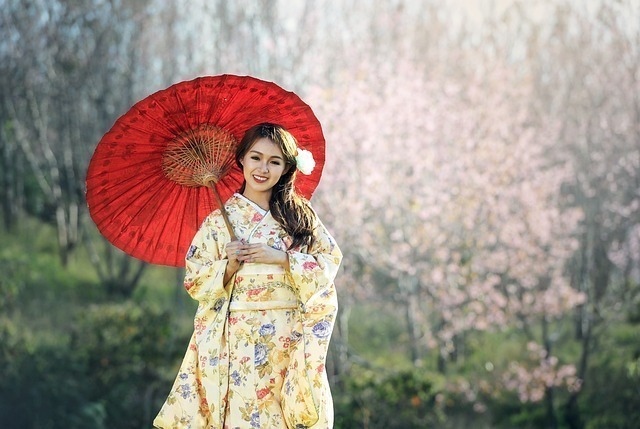
There are kimono rental shops where you can wear the famous traditional Japanese clothes for a day. In Tokyo, you can rent kimonos for the whole family to visit famous places. Wearing a kimono, you can enjoy the culture with the locals atpopular parade centers and temples.
What Is a Kimono?
A traditional Japanese garment and the national dress of Japan. The kimono is a wrap-around garment with square sleeves and a rectangular body, with the left side wrapped over the right, unless the wearer is deceased. The kimono is traditionally worn with a wide sash, called an obi, and is usually worn with accessories such as jori sandals and tabi socks.
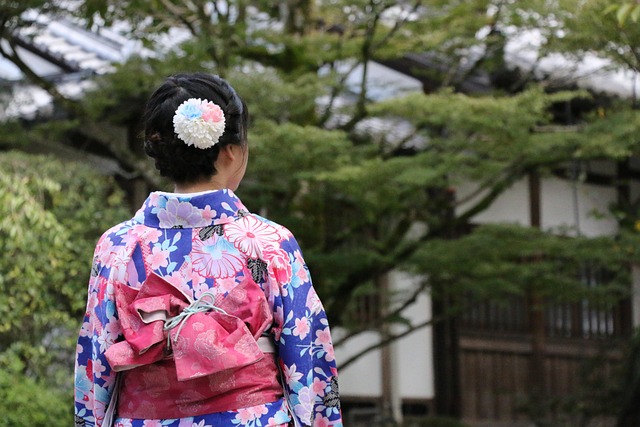
Traditional Japanese clothing
Traditional Japanese clothing, once the most popular in Japan, is losing popularity due to modern clothing. The Japanese tend to wear their traditional clothing during summer festivals, followed by weddings, graduations, and other formal events.
The clothes were much easier to make and wear than the later Heian period clothing of the upper classes. The sleeves were narrow enough to cover the fingers, as modesty required covering most of the body.
Japan and China once stopped sending envoys to the imperial courts. This led to a ban on Chinese imports – clothing and royal gifts – entering. This also prevented the promotion of the upper classes at that time. In Japan, culture was the main judge and only these people could wear traditional clothing.
How to Wear a Kimono
The rules for wearing a kimono are a detailed process that requires practice and specific skills. The garment should be folded correctly, with the left side placed over the right side and the opposite side kept for last. There are some restrictions depending on the occasion, age, and formality.
Accessories such as geta (wooden sandals), jori (formal footwear), tabi (split toe socks), and kanzashi (hair ornaments) complete the look. Due to the complexity, many rely on professionals to style them for formal occasions.
the Japanese court
The first examples of kimono-style clothing in Japan (300–538 AD;) were during the Kofun period, when Chinese ambassadors brought traditional Chinese clothing to Japan. The transfer of these garments between the two countries and the sending of ambassadors to the imperial court popularized Chinese-style clothing and culture in the Japanese court.
In 718, the Yoro dress code was introduced, which stated that all clothing should be draped from left to right in front, following common Chinese fashion. This dress code is still followed today, with the right-to-left draped garment being worn only by the deceased.
Clothing used by the upper classes was significantly simpler to don and wear than dress from the following Heian period. Sleeves, while narrow, were long enough to cover the fingers, since status was associated with covering more of the body.
the Japanese court
In the early Heian period, the Kentoshi mission in China began to disappear, and later, as the national style culture developed, it gradually spread to China. New clothes were created in China’s Junichi and Sokutai, which became known as Heian period clothes. Among these clothes, there are some clothes that were worn at imperial ceremonies in the two countries.
Types of Kimono
There are many types of kimono, each designed for a specific occasion:
Furisode – Formal kimono worn by unmarried women with long sleeves during ceremonies.
Yukata – A light summer kimono made of cotton, usually worn at festivals and hot springs.
Humongi – A semi-formal kimono suitable for visiting and celebrations.
Tomesode – A formal kimono worn by married women, often with elegant designs near the hem.
Common – A casual kimono with a repetitive design for everyday wear.
Montsuki – A ceremonial kimono worn by men, often black with a family crest.
Kimono Design
Cherry blossoms are symbolic.
The crane represents longevity.
Wave symbol
Maple leaf