A trip to Greece offers the perfect blend of ancient history, stunning islands, and the captivating beauty of the Mediterranean. From exploring the iconic Acropolis in Athens to relaxing on the white-washed islands of Santorini and Mykonos, Greece is a dream destination for travelers. Visitors can enjoy crystal-clear beaches, delicious Greek cuisine, and world-famous historical sites like Delphi and Meteora. Whether you’re planning a romantic getaway, a family vacation, or a cultural trip, traveling to Greece promises unforgettable experiences, rich traditions, and breathtaking scenery across the country.
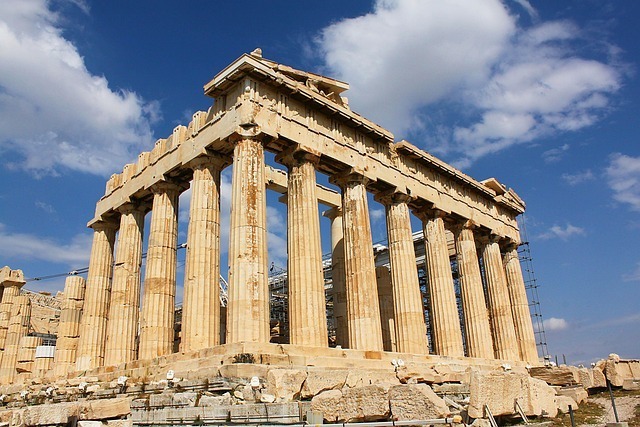
The towering limestone acropolis is blue
The Acropolis, a 156-meter-high limestone rock that crowns the city of Athens, stands tall against the blue sky, while the finely crafted and gleaming white columns of the Parthenon stand as an immortal example of human spirit and genius.
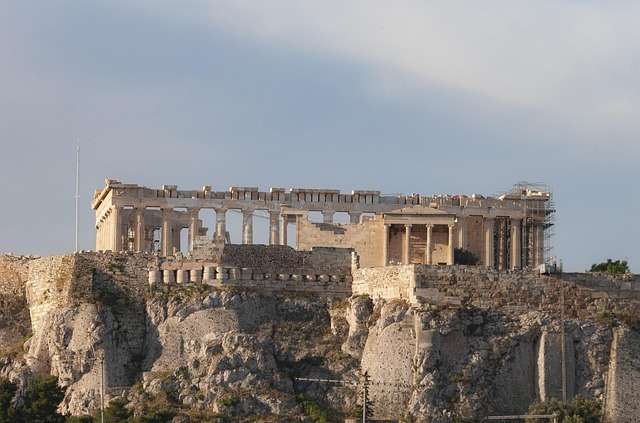
A building famous throughout the world for its beauty and harmony, the Parthenon is the temple of the virgin Athena. Like the previous two temples, it was built of marble in the Doric style on the same site. It took 15 years to build.
All of these therapies are used to address phobias, sleep problems, anxiety, relationship struggles, stress, and even physical pain. Working with the subconscious mind, they encourage deeper self-awareness, reconnecting with a person’s inner strength and clarity.
Travel to the Peloponnes
If you love to immerse yourself in the history of a new place, a trip to the Peloponnese is a great opportunity for you. You can make a list of archaeological sites in the Peloponnese and visit them all together. So we’ve gathered the highlights to help you choose, including some of Greece’s top cultural sites.
We visit the birthplace of the Olympic Games, late Bronze Age settlements, famous medieval fortified cities and ancient theatres that still echo with the sound of applause. Five UNESCO World Heritage Sites (out of 18 in Greece) and wherever we go, we find things that only a local guide can reveal.
Culture of ancient Peloponnese
This culture is far from the glory of the ancient Peloponnese. The ruins of this hilltop fortress are one of the best Byzantine monuments in Greece, built in 1249. In the 14th and 15th centuries it was under the rule of the Palaiologos dynasty. Later it was occupied by the Venetians and the Ottomans.
You’ll remember the views of the orange and olive groves of the Laconian Valley and the same aura that inspired the late Byzantine-era scholar Gemistas Pletho to establish a school of humanist philosophy here around 1410, where the works of (among others) Plato and Pythagoras were taught. And a bonus for nature lovers: the European Hiking Trail passes through this part of the Peloponnese, on the slopes of Mount Taygetos.
The first ancient Greek temple to be listed as a World Heritage Site in 1986, the Temple of Apollo Epicurius has a unique archaeological design. It is the only Greek temple to feature three architectural styles, Doric, Ionic and Corinthian. The historian Pausanias, when he visited the temple, considered it one of the most impressive sites in Greece. Bring a picnic. The hillside setting is magical.
Mycenae and Tiryns
Traveling deep into European history, we visit the late Bronze Age settlement of Mycenae (1250 BC), home to King Agamemnon, the legendary Trojan War hero. Known as the City of Gold.
One of the most memorable cultural sites in the Peloponnese. As you enter the citadel of Mycenae through the Lion Gate, you will see two stone-carved lionesses standing above you, watching your every move. You will be amazed by the size of the Cyclopean walls, as they could only have been built by the mythical one-eyed giants of Greek mythology. The most famous monument here is the Tomb of Clytemnestra, one of the most impressive tholos tombs in Mycenae.
A well-known ancient gem located 20 minutes away by road. It reached its peak between 1400-1200 BC, when it was one of the most important centers of the Mycenaean culture, featuring the palatial architecture of the period.